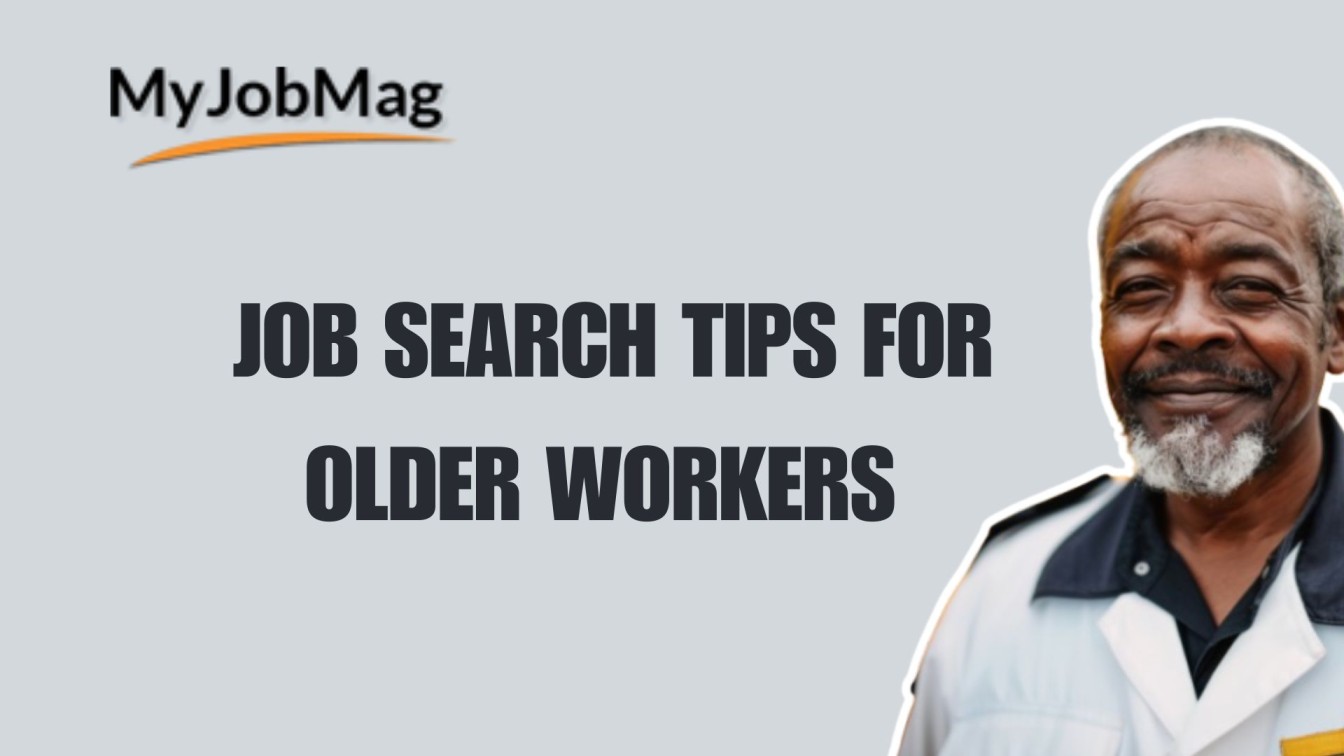
Research shows that unemployed older workers spend significantly more time job hunting than younger workers, often nearly twice as long to find new employment.
In Nigeria, this challenge plays out in a uniquely competitive labour market. According to the National Bureau of Statistics, Nigeria’s labour force now exceeds 90 million people, with a labour force participation rate of nearly 80%. Yet only 7.3% of workers are in formal employment, while a staggering 92.7% operate in the informal sector. This means that beyond simply finding a job, many Nigerians are struggling to secure stable, well-paying, formal employment.
For older workers, this creates a double challenge: competing in a market dominated by informal work while also navigating evolving hiring practices, digital recruitment systems, and shifting industry demands.
The job search tips discussed here are tailored for older workers who are determined to stay competitive and get ahead in the labour market.
View How To Make a Good Impression in a Job Interview
Highlight your most recent and relevant roles
Seek board or advisory roles in small organisations
Approach struggling companies that need turnaround expertise
Pitch yourself directly to founders or SMEs
Create a one-page value proposal
Target industries facing talent shortages
Rebrand yourself from a job seeker to a problem solver
Learn digital skills relevant to your field
Offer part-time advisory services while job searching
Focus on industries regulated by compliance requirements
Show examples of working under younger supervisors
Tailor Your CV to Each Job
Target Companies That Value Experience
Develop a Personal Brand
Build Relationships with Hiring Managers
Remove your graduation dates
Attend Industry Conferences and Trade Events
Avoid confrontational language about age bias
Join professional associations in your field
Set weekly job search goals and track your outreach activity
1. Highlight your most recent and relevant roles
Focus on positions that best demonstrate your skills and achievements related to the job you are applying for. Emphasising recent roles ensures your experience feels current and directly applicable, rather than giving the impression that your expertise is outdated. Include measurable accomplishments to show tangible results.
2. Seek board or advisory roles in small organisations
Older workers can leverage their experience by aiming for board or advisory positions in small businesses, startups, or non-profits. These roles allow you to demonstrate leadership, strategic thinking, and industry expertise without competing directly for entry-level positions. Even part-time advisory roles can expand your network, boost your visibility, and often lead to paid consulting or full-time opportunities.
3. Approach struggling companies that need turnaround expertise
Companies facing challenges such as declining sales, operational inefficiencies, or organisational restructuring often need experienced professionals who can provide immediate solutions. By highlighting your ability to manage change, improve processes, or stabilise operations, you position yourself as a valuable asset rather than just another candidate. These roles can also lead to permanent opportunities once the company recognises your impact.
4. Pitch yourself directly to founders or SMEs
Instead of relying solely on online applications or HR departments, reach out directly to business owners or small and medium-sized enterprises. Founders often have more flexibility in hiring and value experience and practical skills over formal age criteria. A well-crafted message that explains how you can solve a specific problem or add value is often more effective than sending a standard CV.
5. Create a one-page value proposal instead of only sending a CV
Rather than sending your CV alone, prepare a concise one-page document that clearly outlines the value you bring to the organisation. Focus on measurable achievements, solutions to key business challenges, and how your experience can help the company achieve its goals. This approach positions you as a problem solver rather than just an applicant and can capture the attention of decision-makers quickly.
6. Target industries facing talent shortages
Focus your job search on industries or roles where there is a clear demand for skilled professionals. By aligning your skills with high-demand areas, you increase your chances of being considered for opportunities.
View In-Demand Jobs That Employers Find Hard to Fill in 2026
7. Rebrand yourself from job seeker to problem solver
Instead of presenting yourself as someone simply looking for employment, position yourself as a professional who can solve specific business challenges. Emphasise achievements, outcomes, and solutions you have delivered in previous roles. This shifts the conversation away from age and experience alone and focuses on the tangible value you bring to an organisation.
8. Learn digital skills relevant to your field
Many older workers are overlooked because employers assume they are not comfortable with modern technology. By learning and demonstrating proficiency in digital tools and platforms relevant to your industry, such as Microsoft Office, data analytics software, project management tools, or industry-specific systems, you signal adaptability and readiness to work in today’s tech-driven environment.
View 20 In-Demand Professional Certifications in 2026
9. Offer part-time advisory services while job searching
While looking for full-time employment, consider offering part-time consulting or advisory services in your area of expertise. This keeps your skills sharp, builds your professional network, and demonstrates ongoing value to potential employers. Additionally, these engagements can sometimes evolve into permanent roles or lead to referrals for other opportunities.
10. Focus on industries regulated by compliance requirements
Industries such as finance, healthcare, energy, and government-related roles often have strict compliance and regulatory requirements. Employers in these industries value experience, attention to detail, and adherence to standards, qualities that older workers often excel in. Highlighting your familiarity with regulations and governance can make you a highly attractive candidate.
11. Show examples of working under younger supervisors
Employers may worry that older workers will struggle to take direction from younger managers. Address this proactively by providing examples in your CV or interviews where you successfully collaborated with or reported to younger supervisors. This demonstrates flexibility, professionalism, and your ability to work effectively in modern organisational structures.
12. Tailor your CV to each job
Avoid sending a generic CV for every application. Carefully read each job description and emphasise the skills, experiences, and achievements that align with the specific role. Customising your CV shows that you understand the employer’s needs and positions you as a strong, relevant candidate rather than just another applicant.
View How to Create an ATS-Friendly Resume That Matches Any Job in 2026 (Free Tool + Templates)
13. Target companies that value experience
Some organisations actively seek seasoned professionals for their knowledge, leadership, and problem-solving abilities. Research companies’ culture, values, and past hiring patterns to identify those that prioritise experience over youth. Applying to these companies increases your chances of being considered and reduces the impact of age bias.
14. Develop a personal brand
Create a clear professional identity that highlights your expertise, achievements, and unique value. This can include a polished LinkedIn profile, a personal website, or thought leadership through articles or presentations. A strong personal brand makes you memorable to employers and positions you as a credible expert in your field.
15. Build relationships with hiring managers
Instead of relying solely on HR or online applications, connect directly with the people who make hiring decisions. Reach out professionally via email, LinkedIn, or networking events. Building a personal connection can bypass automated screening systems and give you the chance to demonstrate your experience and value firsthand.
16. Remove your graduation dates
Including graduation years on your CV can immediately reveal your age, which may lead to unconscious bias. Focus instead on your qualifications, certifications, and professional achievements without listing the dates. This keeps attention on your skills and experience rather than your age.
17. Attend industry conferences and trade events
Participating in conferences, workshops, and trade events helps you stay up to date with industry trends, expand your network, and meet potential employers or collaborators face-to-face. Being visible in professional circles signals that you are active, engaged, and ready to contribute, countering any assumptions about being out of touch.
18. Avoid confrontational language about age bias
While it can be frustrating to encounter age-related barriers, speaking negatively about age restrictions or expressing resentment during applications or interviews can harm your chances. Instead, focus on your skills, experience, and the value you bring. Present yourself confidently and professionally, emphasising what you can contribute rather than what you are excluded from.
19. Join professional associations in your field
Becoming a member of professional associations helps you stay informed about industry trends, regulatory changes, and emerging opportunities. These organisations expand your network beyond your immediate circle, which can lead to referrals and hidden job opportunities.
20. Set weekly job search goals and track your outreach activity
A structured job search is more effective than a passive one. Set clear weekly goals, such as applying to a specific number of targeted roles, reaching out to new contacts, or attending networking events. Track your applications, follow-ups, and responses in a simple spreadsheet
The tips outlined here are designed to help older professionals remain relevant, confident, and competitive. Ultimately, success comes from highlighting your strengths, staying adaptable, and approaching the job search with persistence and a problem-solving mindset. With the right strategy, determination, and focus, older workers can not only secure meaningful employment but also leverage their experience to make a significant impact in their organisations.

Hello, we are a team of experienced recruiters and we are happy to help you recruit your next team member.
07066839654
Leave a Comment